
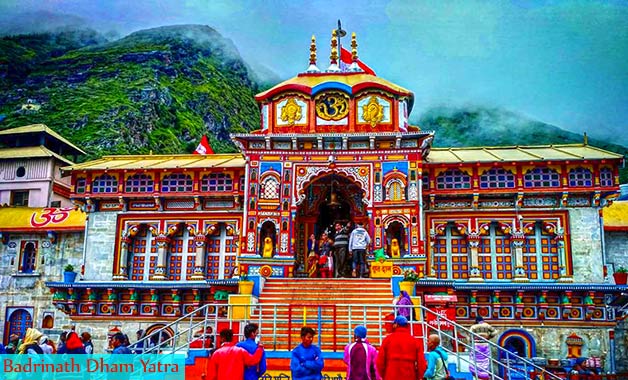
🕉️ Badrinath Dham – A Divine Journey into the Heart of the Himalayas
📍 Where Devotion Meets the Divine in the Lap of Uttarakhand
Tucked deep in the lap of the Garhwal Himalayas, Badrinath Dham stands as one of the holiest and most iconic pilgrimage sites in India. Revered as part of the Char Dham Yatra and the Chota Char Dham of Uttarakhand, Badrinath is not just a temple—it’s a spiritual experience, a cultural epicenter, and a breathtaking destination rolled into one.
Whether you’re a devout pilgrim, a curious traveler, or a seeker of peace and silence, Badrinath offers something far greater than scenic beauty — it offers an awakening.
🔱 The Legend of Badrinath – A Temple Beyond Time
The origin of Badrinath is steeped in myth, spirituality, and divine presence. According to Hindu beliefs, Lord Vishnu meditated here for thousands of years, protected by Goddess Lakshmi in the form of a Badri tree (wild berry tree), hence the name “Badrinath.”
The temple as it stands today was established by Adi Shankaracharya in the 8th century. Over time, it has been rebuilt and renovated by various kings and devotees. It is one of the four sites in India that form the sacred Char Dham pilgrimage (alongside Puri, Rameswaram, and Dwarka), and one of the most visited temples in North India.
🏔️ A Journey Through the Clouds – Reaching Badrinath
Badrinath is located at a height of 3,133 meters (10,279 feet) above sea level in Chamoli district, near the Indo-Tibetan border. The route to Badrinath is as spiritual as the destination itself — winding roads, dramatic cliffs, roaring rivers, waterfalls, and snow-capped peaks guide your way.
🌄 How to Reach in Badrinath:
-
By Road: Well-connected by road from Haridwar, Rishikesh, and Dehradun. The final leg is often done via Joshimath.
-
Nearest Railway Station: Haridwar or Rishikesh (around 300 km away)
-
Nearest Airport: Jolly Grant Airport, Dehradun
-
Popular Stops Along the Way: Devprayag, Rudraprayag, Karnaprayag, Joshimath, Vishnuprayag and Dhari Devi Temple
🛕 The Temple – Architectural Simplicity, Spiritual Majesty
The Badrinath Temple stands gracefully on the banks of the Alaknanda River, against the dramatic backdrop of Neelkanth Peak. Painted in vibrant colors and decorated with a gold-gilded canopy, the temple is as beautiful as it is sacred.
🔔 Key Highlights Inside the Temple:
-
Main Deity: A black stone idol of Lord Vishnu in a meditative pose (made of Saligram stone).
-
Other Shrines: Dedicated to Narad, Uddhav, Goddess Lakshmi, and Garuda.
-
Tapt Kund: A natural thermal spring where pilgrims take a ritual bath before entering the temple.
Thousands of devotees queue up every day during the open season to get a glimpse of the deity and seek blessings. The chanting of mantras, the ringing of bells, and the scent of incense create an atmosphere that moves even the most non-religious soul.
🏞️ Things to Do Around Badrinath
Badrinath isn’t just about the temple. The surrounding area is a treasure trove of natural wonders, spiritual sites, and peaceful trails:
1. Mana Village – India’s Last Village
Just 3 km from Badrinath, this quaint village near the Indo-China border is home to the Bhotiya tribe. Explore Vyas Gufa, Ganesh Gufa, and the mythical Bheem Pul — a natural rock bridge over the Saraswati River.
2. Charan Paduka
A rocky incline where you’ll find footprints believed to belong to Lord Vishnu. The short trek is scenic and spiritually uplifting.
3. Neelkanth Peak
This snow-capped mountain shines golden at sunrise and is one of the most picturesque sights in the region.
4. Satopanth Tal
A glacial lake located about 25 km from Badrinath, said to be visited by the Trimurti (Brahma, Vishnu, and Mahesh). It requires a moderately difficult trek.
5. Alkapuri Glacier
The source of the Alaknanda River, believed to be the abode of the Gandharvas. Ideal for adventurous trekkers.
📅 Best Time to Visit Badrinath
The Badrinath temple remains open only between April/May to October/November. In winter, due to extreme cold and snowfall, the temple closes and the idol is moved to Joshimath for worship.
🔸 Ideal Visiting Months:
-
May to June – Pleasant weather and peak pilgrimage season
-
September to October – Fewer crowds, clear skies, and peaceful experience
-
Avoid July–August – Due to heavy monsoons and risk of landslides
🏨 Accommodation and Facilities
Badrinath offers a range of accommodation from basic lodges and ashrams to mid-range hotels. During the yatra season, it’s wise to book in advance due to the high demand.
-
GMVN Guesthouses (Government-run)
-
Local Dharamshalas and Ashrams
-
Private hotels and homestays
Basic food (vegetarian only) is available throughout the region, mostly North Indian dishes. Local eateries serve hot meals, tea, and snacks which are a comfort in the mountain chill.
🙏 The Spiritual Essence of Badrinath
Badrinath is not just a destination — it’s a feeling. It’s in the echo of the temple bells, the gentle murmur of the Alaknanda, the silent watch of the snow-covered peaks, and the unwavering faith of the thousands who walk the path every year.
Even if you’re not deeply religious, standing in front of the Badrinath shrine — surrounded by mountains, touched by the chill of the Himalayas, and enveloped in age-old traditions — has the power to stir something deep inside.